

What are you looking for?
You might be looking for...

Vegetal Memory and Indigenous Futures. A Laboratory of the Place
Week for Palestine
Free activity within the framework of Week for Palestine
Language: Catalan, Spanish, English, Mapudungun
Rasheed Jalloul, Anita Garcia
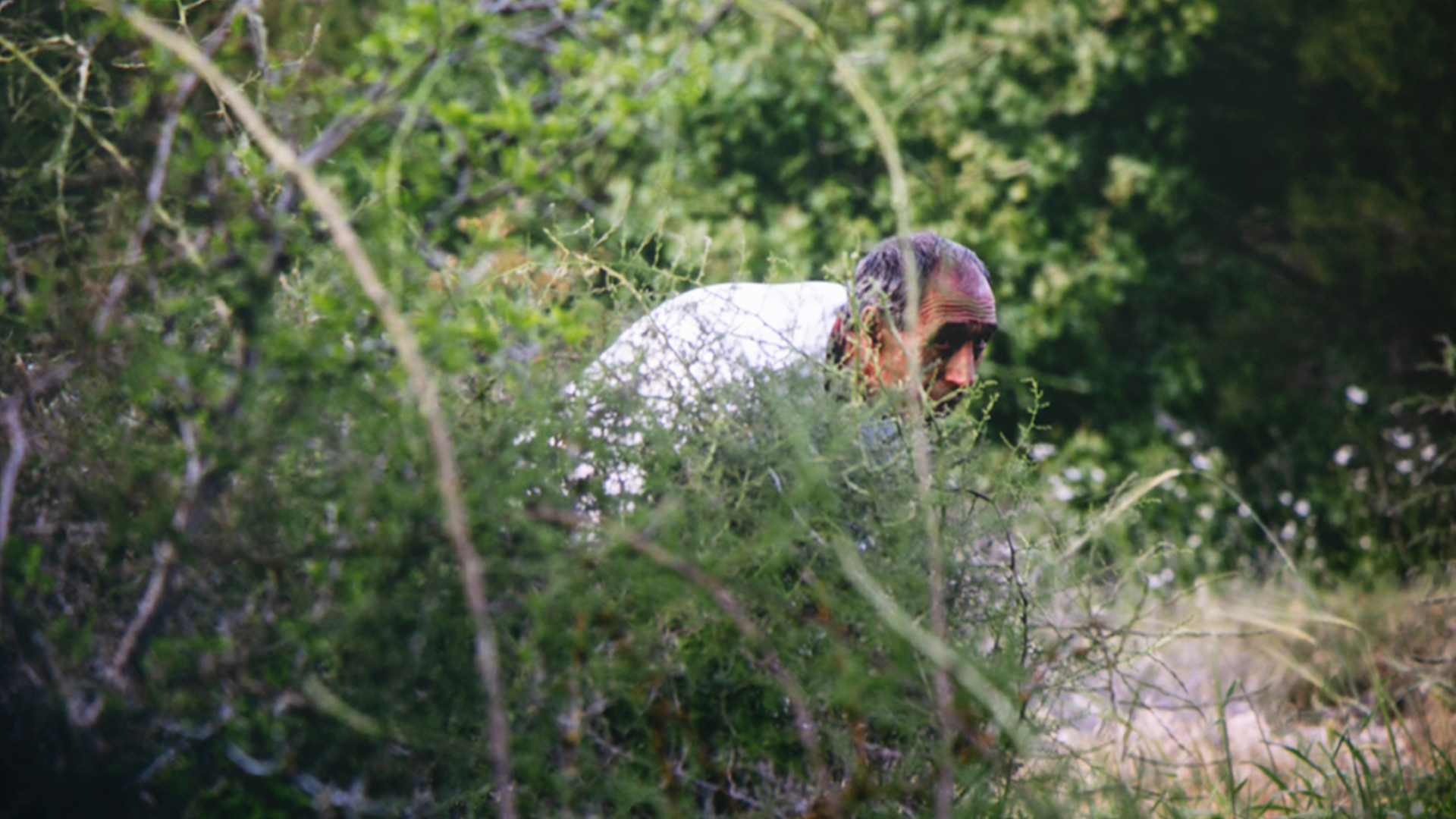
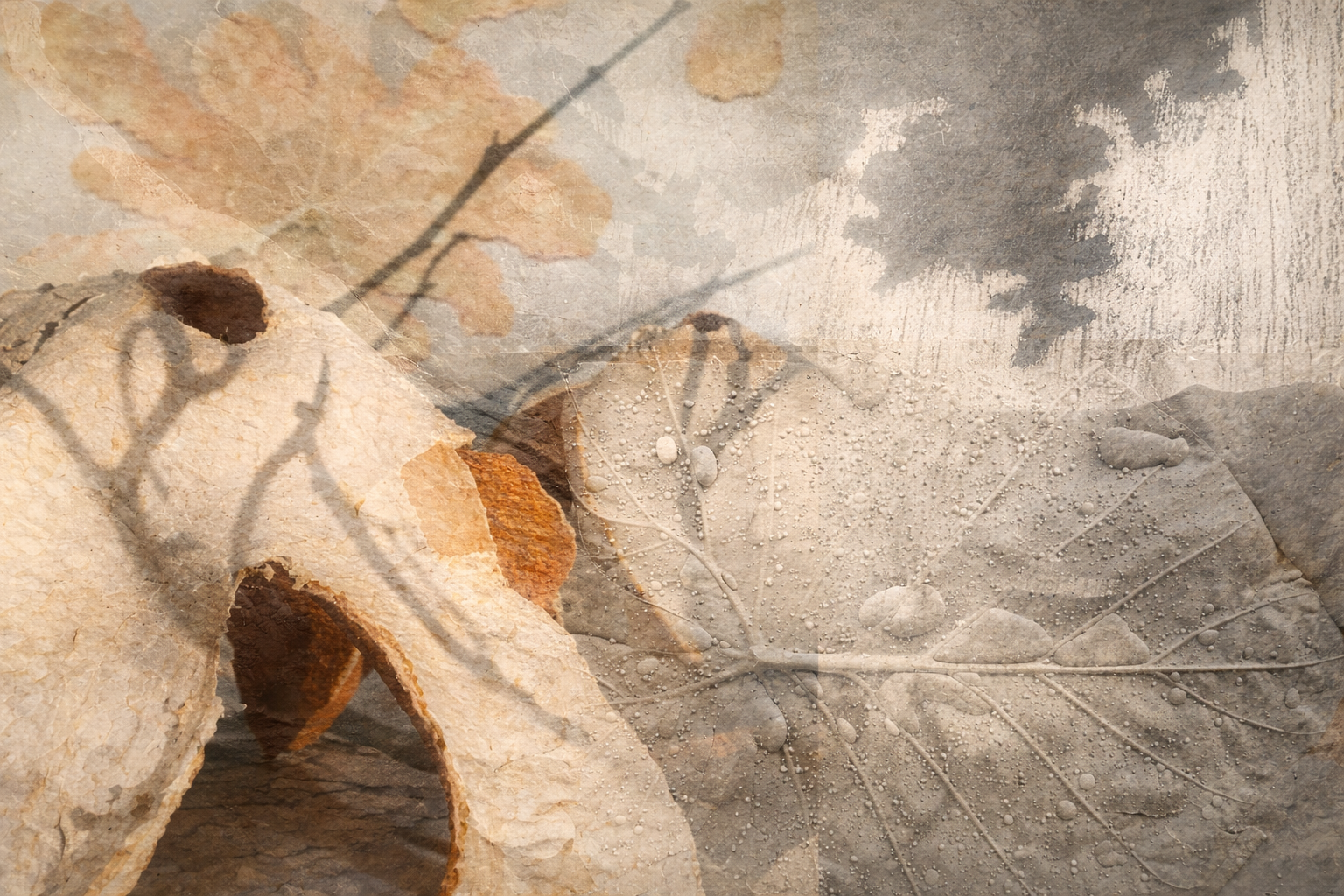
Vegetal Memory and Indigenous Futures: a Laboratory of Place is an interdisciplinary performance in which live music, dialogued readings, and projections are orchestrated through the modulation of an active and mobile ground. The audience moves through the space, activating a somatic archive that intertwines memory, territory, and body.
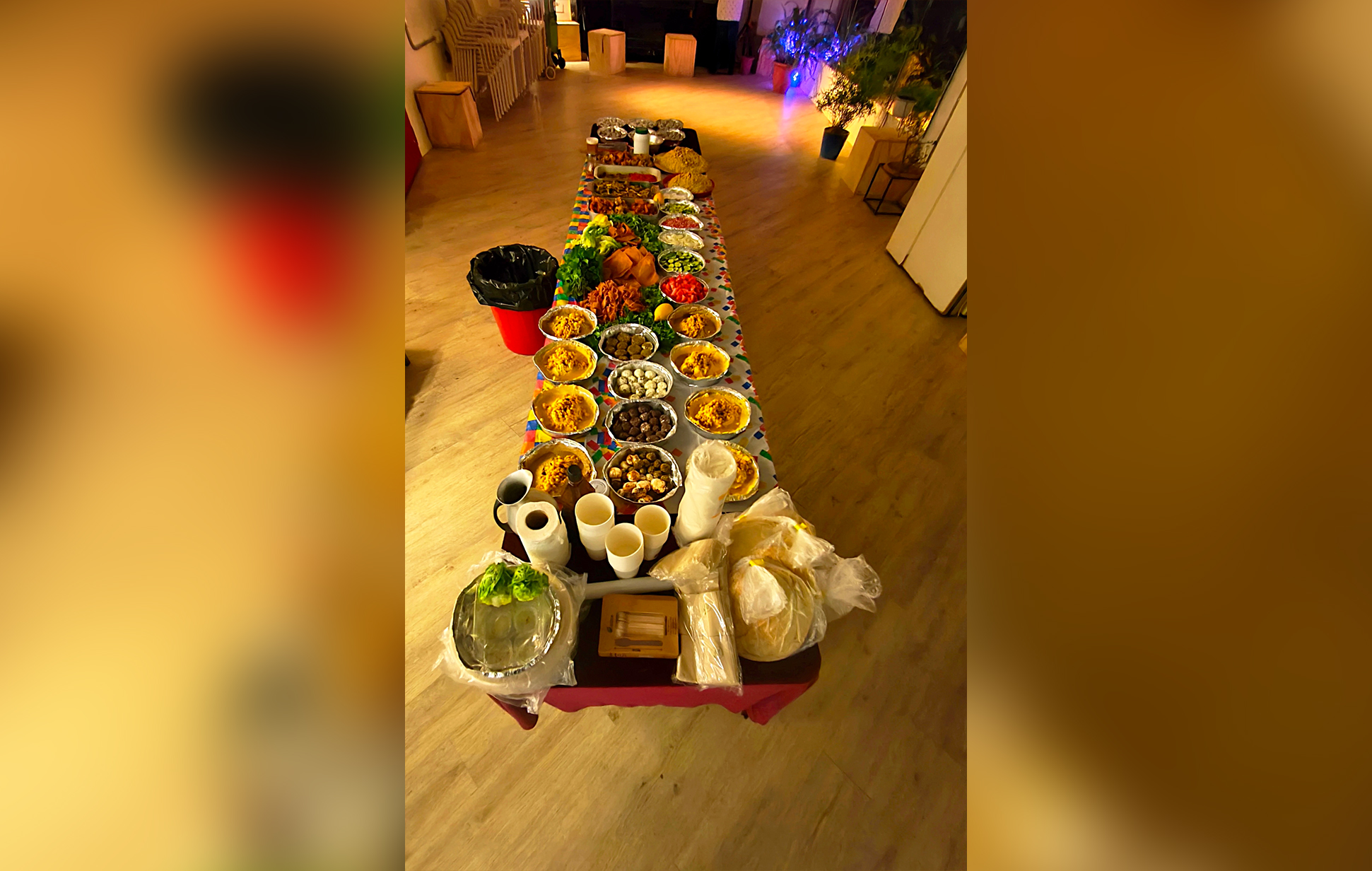
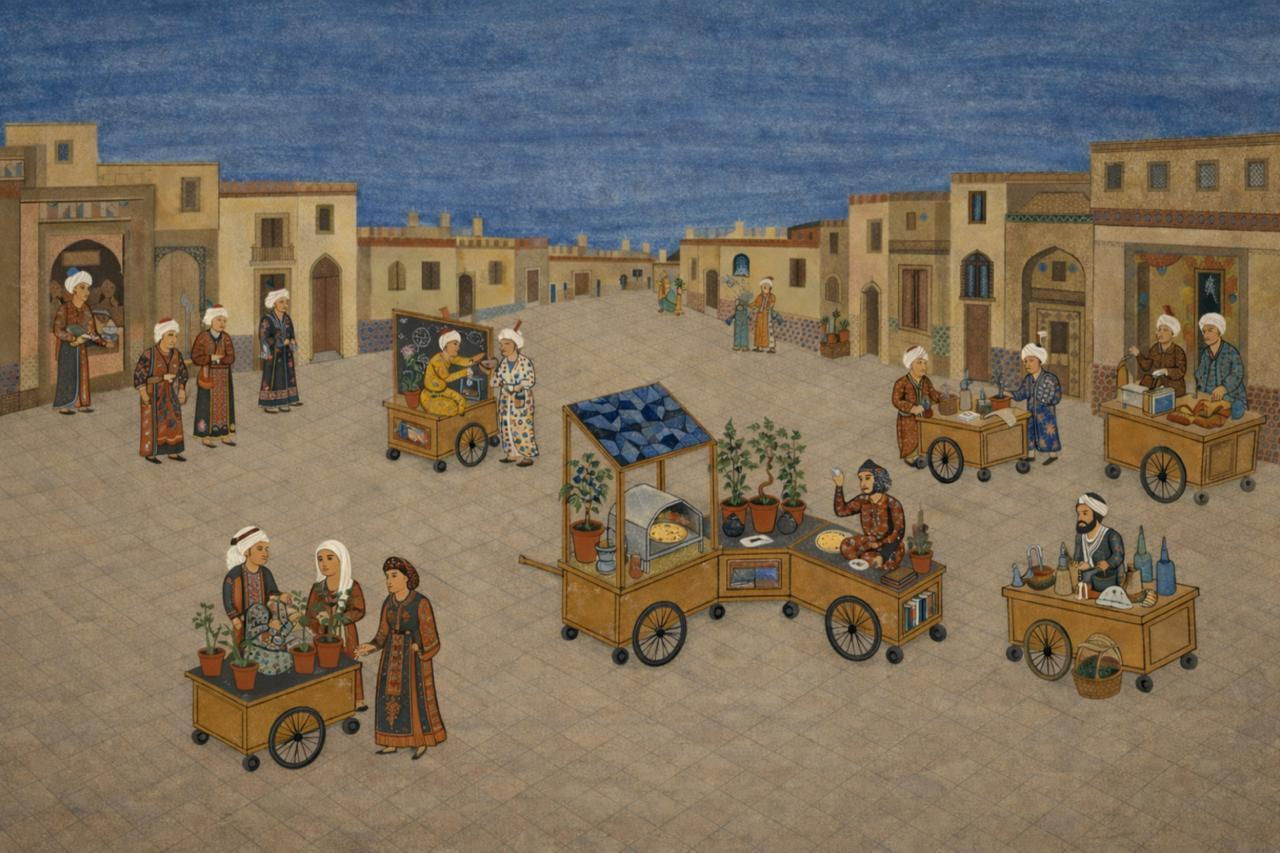
Drawing from family testimonies, poetry, and visual narration, the project approaches vegetal memory as a political landscape that anticipates Indigenous futures. The space is progressively re‑choreographed until it becomes a shared table, where the discourse on domesticity and its speculative representations culminates in a reflection on who holds the right to place, connecting Palestine and Araucanía to inhabit a trans‑hemispheric entanglement.
Activity led by les Mòniques 25/26 within the framework of the Week for Palestine
With the participation of Anita Garcia, Maria Zreiq i Rasheed Jalloul
With the collaboration of Kütral Vargas Huaiquimilla i Cristian Toro
Anita Garcia is a multidisciplinary artist who investigates and centers her work on the dialogue between art, science, and education. Her perspective revolves around landscape imaginaries, sensory memory, holistic conceptions, and the intangible values of natural‑cultural heritage. Through her work, she aims to develop critical‑conceptual foundations to collaborate on actions that create contexts of coexistence that ensure social‑environmental balance.
Rasheed Jalloul (Beirut, 1992) is an architect, artist, and composer whose work traverses space, sound, and language. Rooted in architectural thinking, his practice reframes memory through a decolonial lens, examining how physical and linguistic structures shape identity and its shifting cosmologies. Through performance, writing, composition, and design, he develops a mythology of domesticity and displacement in postwar contexts, drawing on Arabfuturism to imagine poetic and speculative geographies where form, voice, and narrative converge into a single transformative language.
Maria Zreiq is a Palestinian community organizer, educator, and multidisciplinary artist. Her artistic practice spans photography, poetry, and documentary cinema, exploring themes of home, body, memory, and longing through a decolonial queer lens. As a community organizer, Maria’s practice is rooted in liberatory pedagogy, decolonial cultural production, and queer imaginaries.
Kütral Vargas Huaiquimilla is a Mapuche writer, visual artist, and performer who works in Valdivia, Chile, focusing on Mapuche and Latin American culture from a decolonial and feminist perspective. Her work spans various formats and has been exhibited internationally, receiving several awards and recognitions, including an honorable mention in the Municipal Young Art Prize. She is also the author of several books and participates in artistic residencies and workshops in various institutions.