

What are you looking for?
You might be looking for...

Després del Vendaval. Rehabilitar les esquerdes des de l’acció col·lectiva
Montserrat Moliner, Tere Badia, Irati Irulegi
The research group investigates the group, community and activist artistic practices developed in the Catalan territory from 1992 to 2024, with the aim of constructing a plural chronology and genealogy of the collectives that have operated in this context. The research focuses on collectives with a will for political action – not exclusively artistic – that jointly create work, political action and curatorial or publishing projects, leaving out professional associations.
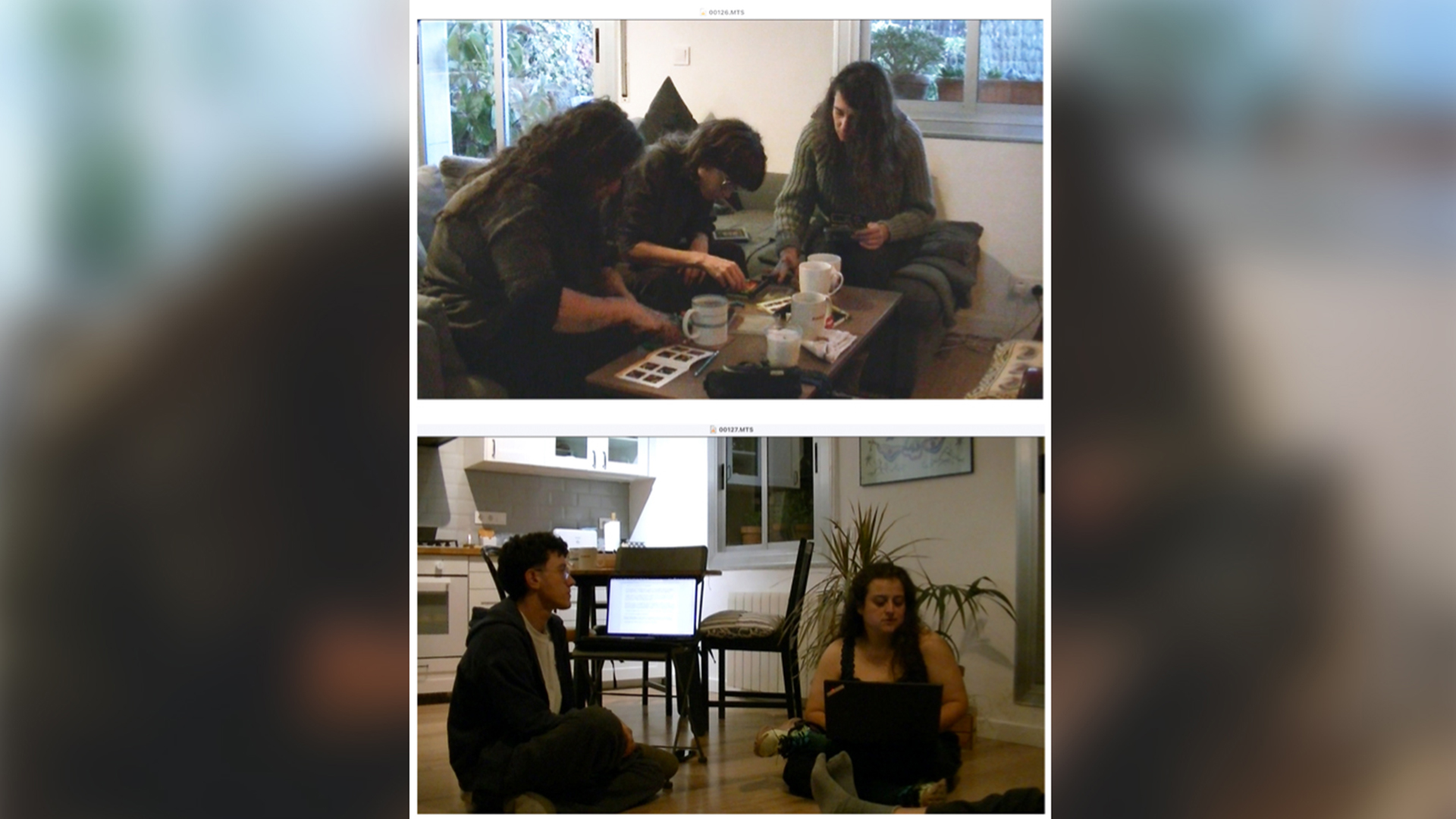
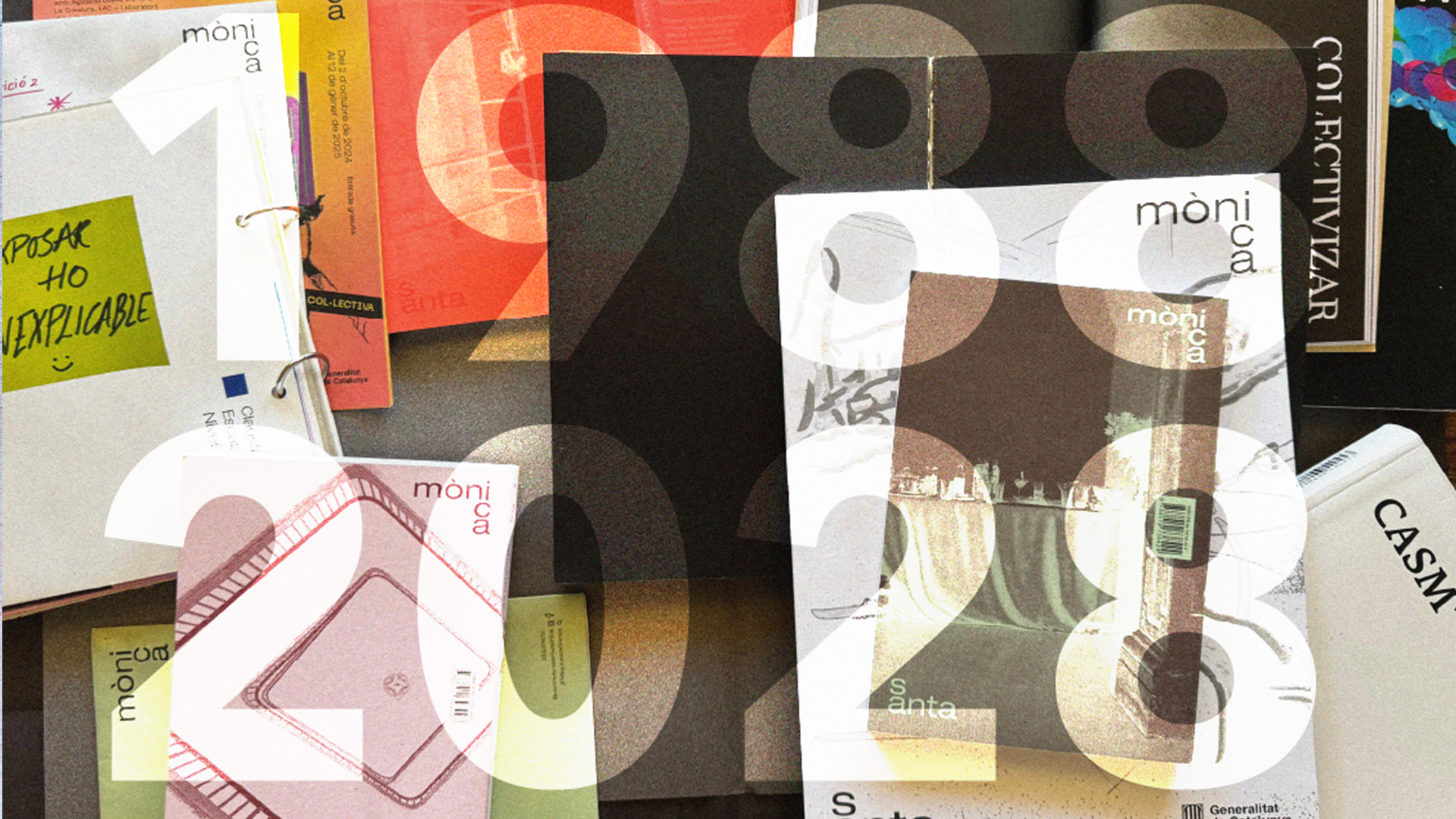
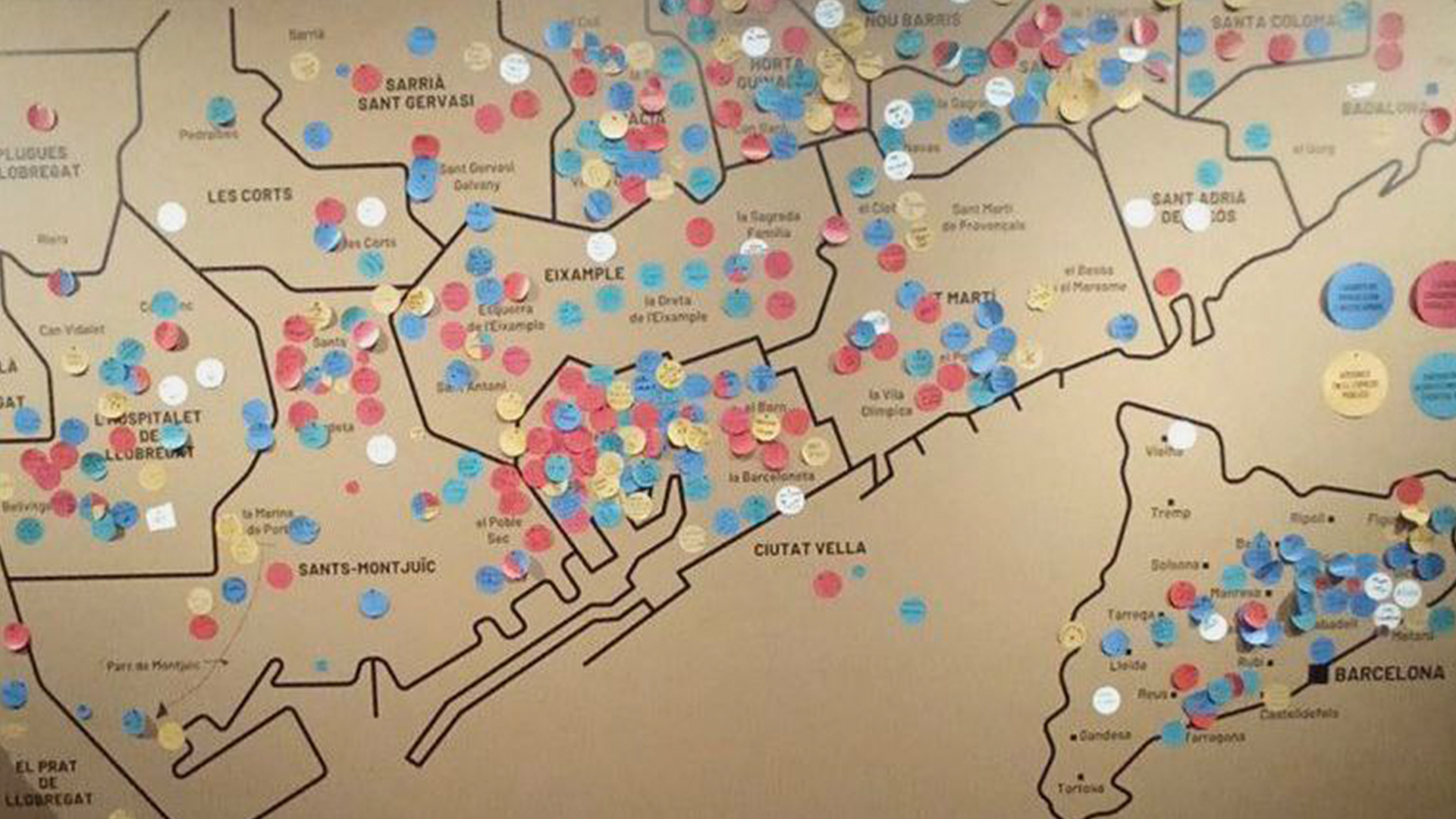
Methodologically, the research unfolds through a collaborative and participatory approach. The documentary basis of the research is based on the mediated work sessions that were organised in mid-2024 during the preparation of the exhibition “Després del vendaval” (After the gale) at the Santa Mònica (October 2024 - January 2025) with people who have been or are part of active groups in the proposed period, and on the taxonomy collected during the activities related to the same exhibition. Based on this data, a new investigation is carried out to build the most complete picture possible of the taxonomy of collective practices.
The research is structured through a set of questions that guide the interviews and conversations with the groups, organised around five dimensions.
The first dimension explores the origin and formation of collectives: how the members met, when and how they decided to work together, whether they conceived of the collective as a one-off collaboration or as a stable project, and whether they had foreseen or experienced periods of pause or time limits.
The second dimension deals with the processes and evolution of the work: if the nature of the work and its process have changed over time, how they approach the question of authorship, if internal hierarchies exist, and what effects the collective work has on individual productivity.
The third dimension addresses collaboration and networks: how they collaborate with other people or external groups and whether they have shared rituals or work practices that define their way of doing things.
The fourth dimension delves into the philosophy and political conviction that underpins each group: how they manage disputes and differences of opinion in relation to their work and what they consider to be the benefits of collective work.
Finally, the fifth dimension examines the aesthetics and cultural positioning of the groups: if it is possible to speak of a distinct aesthetic of collaboration, how they situate their artistic strategies in relation to the historical notion of individual genius, and how the growing popularity of collaborations relates to notions such as the sharing economy or Creative Commons.
The objectives of the research are: First, to develop a plural chronology and genealogy of the artistic, community and activist collectives active between 1992 and 2024 and to identify their main characteristics, objectives and actions.
Secondly, to document and analyse the collective practices that have operated in contexts of low visibility where systemic violence is exercised and rights are violated, and to examine the strategies with which these collectives have questioned the normative frameworks and negotiated their presence in institutional spaces.
Third, analyse the internal logics of the collectives – work processes, management of authorship, conflict resolution and forms of collaboration – to identify if it is possible to speak of an aesthetics and ethics specific to collective practices.
Fourth, to reflect on the relationship between collective practices and cultural institutions and to analyse the tensions and negotiations that occur when these practices come into contact with institutional frameworks.
The central result of the research will be a publication that will collect and systematise all the data and reflections generated throughout the process, including those incorporated during the collective mapping carried out during the period in which the exhibition “Després del vendaval” was open. The format of this publication will be defined as the research progresses, so the research process itself determines the structure and final format of the document. It should be noted that there is currently no comparable documentary resource, which makes this publication a necessary contribution to the memory and historiography of collective practices in Catalonia.
Biographies:
Tere Badia holds a degree in Art History from the University of Barcelona (UB) and a master's degree in Information and Knowledge Society from the Universitat Oberta de Catalunya (UOC). She has dedicated herself to cultural production and research in cultural policies, visual arts and innovation. She has worked as a curator of exhibitions and contemporary art projects and as a teacher at the School of Image and Design, IDEP Barcelona. Between 2010 and 2018, she was the director of Hangar, Barcelona's centre for artistic production and research, and from 2018 to 2022, she was the general secretary of Culture Action Europe (CAE), the main European network of cultural networks and the political voice of the cultural sector in Europe. In 2023, she joined the Art, Science and Technology Hub, Barcelona (HacTe) as director, a strategic partnership in Catalonia that brings together several universities, scientific research centres, cultural centres and representatives of the industrial technology sector.
Irati Irulegi holds a degree in Art History from the University of Barcelona (2010), a postgraduate degree in Exterior Design, Events and Ephemeral Spaces from Elisava and a master's degree from the Dutch Art Institute (DAI). She is part of Idensitat, as well as its coordinator. She considers mediation and curating as part of the artistic process, understanding it as a collaborative work with artists and related to the context. Since 2012, she has participated in several projects, including Idensitat; Komisario Berriak; Palimpsesto, within the Harriak program (Basque Country), and Out of the loop, a commissioned project with Iker Fidalgo and Laura Díez for Montehermoso. In 2017, she also received a mediation grant with the Sala d'Art Jove de Catalunya, together with the artist Quim Packard, to curate the exhibition hall's programme.
Montserrat Moliner is an artist and independent cultural project manager with experience in both the public and private sectors. She trained in Arts in Design at Elisava, School of Design and Engineering, in Barcelona and at the University of Southampton. Her practice addresses the study of collaborative processes and assembly organisations and/or communities, and the relational and labour processes in the field of work that occur in contemporary artistic practices. She has been linked as an artist and curator to different art projects and centres, such as the Santa Mònica, MACBA, Fabra i Coats - Centre d'Art Contemporani de Barcelona, La Capella, Bòlit - Centre d'Art Contemporani de Girona and Roca Umbert - Fàbrica de les Arts. She has been a member of the advisory board of the office for the pilot plan for a universal basic income of the Generalitat de Catalunya Ministry of the Presidency. She has served as president of the Assembly Platform of Artists of Catalonia (PAAC) and as president of the board of trustees of the Fundació AAVC Hangar, a centre for artistic production and research, and has been executive coordinator of Xarxaprod, the network of creation and production spaces in Catalonia.